
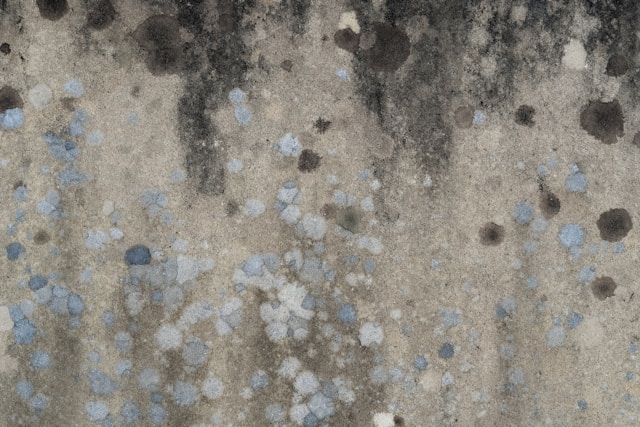
If you’ve lived in the Greater Seattle area for any length of time, you already know that the Pacific Northwest has a reputation for rain. But beyond the grey skies and damp sidewalks, that relentless moisture creates a hidden problem inside thousands of homes every year: mold. Mold is more than an eyesore — it can eat through drywall and structural wood, trigger chronic respiratory symptoms, and quietly lower your home’s value before you ever notice it with your eyes.
Seattle isn’t just a little rainier than average — it has a specific combination of climate factors that make it one of the most mold-prone metro areas in the United States. Understanding why that is, and where the vulnerabilities lie in your specific home, is the first step toward protecting it.
This guide covers the climate science behind Seattle’s mold problem, the most common high-risk areas in local homes, health effects you should know about, practical prevention strategies, and what to do if mold has already taken hold.
Seattle’s Climate: A Perfect Storm for Mold Growth
Mold spores are everywhere — indoors, outdoors, floating invisibly through the air at any given moment. They’re harmless until they land on a damp surface and begin to colonize. The question is always whether your home provides the conditions mold needs. In Seattle, the answer is almost always yes.
Four climate factors work together to make the Seattle region exceptionally mold-friendly:
1. High Annual Rainfall
Seattle receives an average of 37–40 inches of rain per year, with precipitation falling on roughly 150–160 days annually. The rainy season stretches from October through May — meaning homes spend the better part of seven months continuously exposed to wet conditions. Gutters overflow, soil saturates, and moisture works its way into siding, foundations, and crawl spaces in ways that drier climates simply don’t experience.
2. Low Sunshine Hours
Seattle averages only about 152 sunny days per year, making it one of the cloudiest major cities in the country. Sunlight is one of nature’s best natural drying agents — UV rays kill mold spores and solar heat evaporates surface moisture. Without it, damp wood, concrete, and insulation stay wet far longer than they would in sunnier climates.
3. Mild Year-Round Temperatures
Mold grows most aggressively between 60°F and 80°F. Seattle’s average temperatures fall squarely in this range nearly year-round — winters rarely dip below freezing for extended periods, and summers stay mild. Unlike cold-climate cities where hard freezes halt mold growth for months, Seattle offers mold a nearly uninterrupted growing season.
4. Persistently High Humidity
Relative humidity in the Seattle area regularly exceeds 80–90% during fall and winter — well above the 60% threshold at which mold growth accelerates meaningfully. According to the EPA, mold can begin colonizing a damp surface within just 24–48 hours under the right conditions. In Seattle, those conditions exist for months at a stretch.
▌ Key fact: The combination of high humidity, mild temperatures, and minimal sunlight means Seattle homes face mold pressure across nearly every month of the year — not just during peak rain season.
High-Risk Areas in Seattle Homes
While mold can grow anywhere moisture accumulates, certain areas of Seattle homes are structurally and climatically more vulnerable than others. Knowing where to look is half the battle.
Crawl Spaces
Crawl spaces are the single most common location for serious mold problems in Seattle homes. Many homes in the region — particularly those built before 1980 — sit on raised foundations with vented crawl spaces. The design logic made sense at the time: vents would allow air circulation and prevent moisture buildup.
The problem is that in a climate as humid as Seattle’s, those vents let in damp outside air rather than dry it out. Combine that with moisture wicking up through bare soil, and you have a persistently wet environment directly under your living space. Wooden floor joists, subfloor sheathing, and insulation batts in crawl spaces are all highly susceptible to mold when exposed to this sustained humidity.
Attics
Attic mold is often caused not by rain penetration, but by inadequate ventilation combined with moisture from inside the home. Two of the most common culprits: bathroom exhaust fans and kitchen range hoods that vent into the attic instead of outside. Every shower and cooking session pumps warm, humid air directly into a space that may have poor airflow.
The result is condensation forming on the underside of cold roof sheathing — a perfect substrate for black or green mold colonies that can spread across an entire roof deck before a homeowner ever thinks to look.
Basements and Below-Grade Spaces
Basement mold in Seattle is a direct consequence of the region’s wet soils and high water table. Below-grade concrete and masonry walls are in near-constant contact with moist earth, and moisture migrates through even well-waterproofed walls over time. Condensation also forms on cool basement surfaces during summer months when warm interior air meets cold concrete — a phenomenon called thermal bridging. Stored cardboard boxes, old furniture, and piled clothing provide ideal mold substrates in these damp conditions.
Bathrooms and Kitchens
Steam from showers, cooking, and dishwashers generates significant localized humidity. In Seattle’s already-humid climate, even a bathroom exhaust fan that’s slightly undersized for the room — or that takes too long to remove steam — can allow moisture to linger long enough to promote mold behind tile grout, under caulk beads, inside vanity cabinets, and above drop ceilings.
Window Frames and Wall Cavities
Single-pane or poorly sealed windows are common in older Seattle homes and are frequent sites of condensation. Water running down window frames can saturate surrounding drywall and insulation — creating hidden mold colonies inside wall cavities that may not become visible for months or years. Homes with vinyl lap siding that has deteriorating flashing or caulk joints are similarly vulnerable at those seams.
Health Effects of Mold Exposure
Not all mold is equally dangerous, but prolonged exposure to mold in the home — regardless of species — is associated with a range of health effects that Seattle residents should take seriously.
Respiratory Symptoms
The most commonly reported effects of indoor mold exposure are respiratory: nasal congestion, coughing, wheezing, throat irritation, and shortness of breath. People with asthma are particularly vulnerable — the CDC notes that mold exposure can trigger asthma attacks and worsen existing lung conditions. Children and the elderly are also at elevated risk.
Allergic Reactions
Mold spores are a common allergen. Symptoms resemble hay fever: sneezing, runny nose, red eyes, and skin rashes. A telling indicator is when symptoms improve noticeably after leaving the home for a day or two and return upon coming back — a pattern that strongly suggests an indoor air quality issue rather than seasonal allergies.
Toxic Mold and Mycotoxins
Certain mold species — most notably Stachybotrys chartarum, commonly called black mold — produce mycotoxins that can cause more serious health effects with prolonged exposure, including fatigue, headaches, cognitive difficulties, and in rare cases, neurological symptoms. While “toxic mold” is often overhyped in media coverage, its presence in a home is a legitimate concern that warrants professional remediation rather than DIY cleanup.
▌ Important: If you or a family member experiences persistent unexplained respiratory symptoms, fatigue, or worsening allergies that improve when away from home, mold exposure should be considered as a possible cause. Consult a physician and have your home assessed.
How to Prevent Mold in a Seattle Home
Prevention is always less expensive and disruptive than remediation. The following strategies are specifically relevant to the Seattle climate and home construction types common in the region.
1. Control Indoor Humidity
The single most effective thing you can do is keep indoor relative humidity below 50%. Use a portable dehumidifier in basements and crawl spaces, and consider a whole-home dehumidifier if your HVAC system supports it. Pick up an inexpensive digital hygrometer (under $15 at most hardware stores) to monitor conditions in problem-prone rooms. The CDC recommends keeping indoor humidity between 30% and 50% year-round.
2. Upgrade Ventilation
Inspect every bathroom exhaust fan and kitchen range hood to confirm they vent to the exterior — not into the attic or wall cavity. If you’re not sure, hold a piece of tissue near the fan grille while it’s running: it should pull toward the fan. Replace undersized fans with models rated for your room’s square footage (look for CFM ratings on the packaging). For the whole home, a heat recovery ventilator (HRV) brings in fresh air while recovering heat from outgoing stale air — an increasingly popular upgrade in Pacific Northwest homes.
3. Encapsulate Your Crawl Space
If your home has a vented crawl space, encapsulation is likely the highest-ROI mold prevention investment you can make. The process involves sealing the ground with a 20-mil polyethylene vapor barrier, insulating the crawl space walls, sealing foundation vents, and often adding a dedicated dehumidifier. Studies have shown that encapsulated crawl spaces maintain significantly lower humidity than vented ones — even in wet climates like Seattle’s.
The cost typically runs $3,000–$8,000 depending on crawl space size and conditions, but it can meaningfully reduce whole-home humidity levels, improve HVAC efficiency, and protect structural wood from long-term moisture damage.
4. Maintain Your Roof and Gutters
Water infiltration from above is a major mold trigger. Clean gutters at least twice a year (more if you have significant tree canopy overhead), check for damaged flashing around chimneys and skylights, and inspect attic sheathing annually for early signs of moisture staining. Even minor roof leaks can saturate insulation and create hidden mold colonies within weeks.
5. Address Water Intrusion Within 24–48 Hours
The EPA’s guidance is clear: any wet building materials should be dried within 24–48 hours to prevent mold growth. After a plumbing leak, flooding, or roof infiltration event, extract standing water immediately, remove saturated materials (especially drywall and insulation, which cannot be adequately dried in place), and run fans and dehumidifiers aggressively. Don’t assume that because a surface looks dry, it is dry — use a moisture meter to check inside walls and subfloor.
6. Insulate Cold Surfaces
Condensation forms when warm, humid air contacts a surface below the dew point. In Seattle homes, the most common problem surfaces are uninsulated basement walls, cold-water pipes, and single-pane windows. Adding rigid foam insulation to basement walls, pipe insulation to cold-water lines, and upgrading to double-pane windows all reduce condensation risk substantially.
7. Schedule Annual Crawl Space and Attic Inspections
Many Seattle homeowners go years without ever looking into their crawl space or attic. An annual inspection — either DIY with a flashlight and moisture meter, or by a qualified professional — can catch early-stage mold, moisture accumulation, or pest damage before it escalates. Early intervention on a small patch of mold in a crawl space might cost a few hundred dollars. Waiting until it has spread to floor joists can mean a $10,000+ structural remediation job.
When Prevention Isn’t Enough: What Professional Mold Remediation Involves
Even diligent homeowners can end up with mold — especially after purchasing an older home, surviving a harsh wet season, or dealing with a slow, hidden plumbing leak. When mold is established, professional remediation is almost always the right call over DIY treatment.
Why Bleach Alone Doesn’t Work
The “spray bleach on it” approach is one of the most persistent mold myths. Bleach is effective at killing mold on non-porous surfaces like tile, but it cannot penetrate porous materials like wood, drywall, or insulation — where the mold’s root structures (hyphae) grow deep into the material. Bleach application on porous surfaces may kill surface spores while leaving the underlying colony intact, and the water content in bleach solutions can actually promote regrowth if the surface isn’t thoroughly dried afterward.
Additionally, scrubbing mold without proper containment releases millions of spores into the air, where they can travel through your HVAC system and colonize new areas of the home.
What a Proper Remediation Should Include
A thorough professional mold remediation typically follows these steps:
- Inspection and moisture source identification — locating active mold, mapping its extent (often using moisture meters and thermal imaging), and identifying the underlying water source
- Containment — sealing off the work area with polyethylene sheeting and negative air pressure to prevent spore dispersal to other parts of the home
- HEPA air filtration — running air scrubbers with HEPA filters to capture airborne spores during the remediation process
- Removal of contaminated materials — cutting out and disposing of affected drywall, insulation, and other porous materials that cannot be cleaned
- Surface treatment — applying EPA-registered antimicrobial agents to affected structural surfaces
- Moisture source repair — fixing the underlying cause (ventilation, waterproofing, plumbing) so mold cannot return
- Post-remediation verification — air sampling or visual clearance inspection to confirm successful remediation
The EPA’s mold remediation guidelines provide a detailed framework for what professional remediation should look like. As a general rule, mold covering more than 10 square feet should always be handled by a professional — below that threshold, careful DIY cleanup may be appropriate on non-porous surfaces only.
Frequently Asked Questions About Mold in Seattle Homes
Does homeowners insurance cover mold remediation in Seattle?
It depends on the cause. Most standard homeowners insurance policies cover mold remediation only when it results directly from a covered peril — such as a burst pipe or storm damage. Mold caused by long-term moisture problems, flooding (which requires separate flood insurance), or maintenance neglect is typically excluded. Review your policy carefully and document any water damage events promptly to preserve your options.
How do I know if I have mold or just mildew?
Mildew is a surface fungus that typically appears as flat, powdery white or grey patches on damp surfaces. It’s relatively easy to clean and less likely to cause structural damage or serious health effects. Mold tends to be darker (black, green, or brown), has a fuzzy or slimy texture, and penetrates beneath the surface of the material it grows on. If you’re unsure, treat it as mold until proven otherwise — the remediation approach is safer, and the cost of underreacting far exceeds the cost of overreacting.
What types of mold are most common in Seattle homes?
The most frequently identified mold species in Pacific Northwest homes include Cladosporium, Penicillium, Aspergillus, and Stachybotrys chartarum (black mold). Cladosporium and Penicillium are the most ubiquitous and are often found in crawl spaces and attics. Stachybotrys requires very wet conditions sustained over long periods and is less common but more concerning from a health standpoint.
How much does mold remediation cost in Seattle?
Costs vary significantly based on the size and location of the mold. Small bathroom mold treatment might run $500–$1,500. Crawl space remediation commonly ranges from $2,000–$6,000 depending on coverage and whether structural materials need replacement. Attic mold remediation, which often involves removing and replacing roof sheathing, can cost $5,000–$15,000 or more. Getting two or three quotes from licensed contractors and asking for written scope of work is strongly recommended.
Can I sell my Seattle home if it has mold?
Washington State requires sellers to disclose known mold problems on the seller disclosure statement (Form 17). Undisclosed mold discovered after purchase is a common source of real estate litigation. While you can sell a home with mold, doing so without disclosure is illegal, and most buyers will negotiate for remediation or a price reduction upon inspection. Remediating before listing is almost always the better financial and legal outcome.
Is mold more common in older Seattle homes?
Yes, for several reasons. Older homes are more likely to have vented crawl spaces, single-pane windows, inadequate vapor barriers, and deteriorating waterproofing. They also tend to have bathroom fans that vent into wall or attic spaces rather than outside — a code requirement in newer construction. That said, new homes are not immune: improper construction sequencing that traps moisture inside walls during building, or inadequate post-construction drying, can lead to mold in homes just a few years old.
What should I do if I find mold in my crawl space?
First, don’t disturb it — unnecessary contact or airflow can spread spores. Document it with photos. Then assess the extent: a small patch on a single floor joist is a very different situation than widespread coverage across the entire crawl space ceiling. For any significant coverage, contact a mold remediation professional for an assessment. While waiting, reduce moisture by improving ventilation in the crawl space and addressing any visible drainage or plumbing issues contributing to dampness.
The Bottom Line: Seattle’s Rain Problem Is a Solvable One
Mold is one of the most common — and most underestimated — problems facing homeowners in the Pacific Northwest. Seattle’s unique combination of persistent rain, low sunlight, mild temperatures, and high humidity creates conditions that are essentially ideal for mold year-round. The homes most at risk are those with unencapsulated crawl spaces, poor attic ventilation, aging waterproofing, and little routine maintenance attention paid to moisture.
The good news is that this is a solvable problem. The investments that protect a Seattle home from mold — crawl space encapsulation, upgraded ventilation, annual inspections, rapid response to water events — are also investments that improve energy efficiency, structural longevity, and indoor air quality. They pay dividends beyond mold prevention alone.
The key is not to wait for visible mold to appear. By the time you can see it, the problem is already significant. Stay proactive, monitor humidity, and don’t ignore the small warning signs — a musty smell, a suspicious stain, a family member whose allergies never seem to improve at home. In Seattle’s climate, an ounce of prevention is worth considerably more than a pound of cure.