Summer in the Pacific Northwest is beautiful, but it also brings a lineup of uninvited guests. The Seattle area’s mild temperatures, moisture-rich environment, and lush landscaping make it prime territory for a wide range of pests. For homeowners in King County, Snohomish County, and the greater Puget Sound region, knowing what to look for — and how to respond — can save you time, money, and a lot of frustration.
This guide covers the most common summer pests in the Seattle area, what signs to watch for, and practical steps you can take to prevent or address each one.
What Pests Are Most Common in Seattle in Summer?
Seattle’s summer pest season typically runs from May through September. The combination of warming temperatures, residual moisture from spring rains, and abundant vegetation creates near-ideal conditions for insects and rodents to thrive. The most common summer pests in the Seattle area include yellow jackets, carpenter ants, rats and mice, mosquitoes, aphids, slugs, and spiders.
1. Yellow Jackets
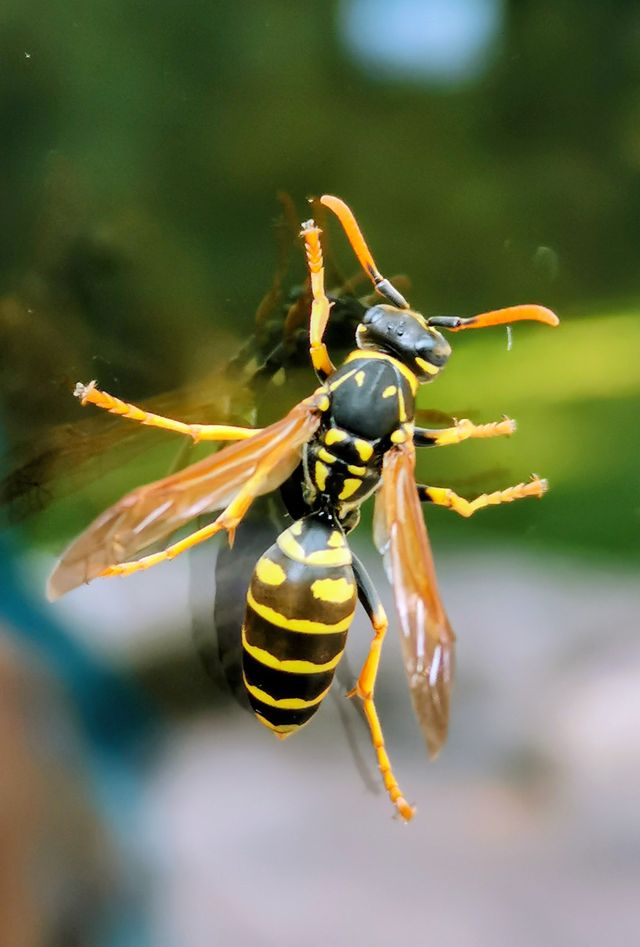
Yellow jackets are arguably the most aggressive summer pest in the Seattle region. They build nests in wall voids, under eaves, in the ground, and inside compost bins. Activity peaks in late summer — August through September — when colonies are largest and food sources are scarce, making them more defensive and more likely to sting.
What to watch for:
Increased wasp activity around a particular spot, papery nest material, or workers flying in and out of a gap in your siding or deck.
What to do:
- Avoid disturbing nests. Yellow jackets can sting multiple times and will swarm if threatened.
- Seal garbage cans tightly and keep outdoor food covered.
- For nests in accessible locations, commercial wasp sprays applied at dusk (when they’re least active) can be effective.
- For nests inside walls or in hard-to-reach areas, contact a licensed pest control professional.
When to call a pro:
If a nest is located inside a wall, under a deck, or in the ground near a high-traffic area, professional removal is the safest option. Yellow jacket colonies in late summer can contain thousands of workers.
2. Carpenter Ants
Carpenter ants are one of the most serious structural pests in the Seattle area. Unlike termites, they don’t eat wood; they hollow it out to build galleries for their colony. The Pacific Northwest’s damp climate creates ideal conditions, as they’re drawn to wood that has been softened by moisture. Washington State University Extension has a detailed guide on their biology and control if you’d like to learn more.
What to watch for:
Large black ants (often 1/2 inch or bigger) indoors, especially near windows or plumbing. Fine sawdust-like material called frass near wood structures is a key sign of an active colony.
What to do:
- Fix any moisture problems first. Leaky pipes, poor drainage, and wet wood attract them.
- Keep firewood stored away from your home and off the ground.
- Trim tree branches that touch the roofline, as ants often use these as entry points.
- Bait stations and perimeter sprays can help, but large infestations typically require professional treatment.
When to call a pro:
If you’re finding large black ants consistently indoors, especially in spring and early summer, it’s worth having a professional assess whether a colony has established itself in your home’s structure.
3. Rats and Mice
Rodent activity has increased noticeably in the greater Seattle area in recent years. Rats — particularly Norway rats and roof rats — and house mice become more active as weather warms and outdoor food sources like gardens, compost, and bird feeders become plentiful. They can cause significant damage by gnawing wiring, insulation, and structural materials, and they pose health risks through the pathogens they carry. The EPA’s rodent prevention guide is a useful reference for homeowners looking to rodent-proof their property.
What to watch for:
Droppings along walls or in cabinets, gnaw marks on food packaging or wood, nesting materials such as shredded paper or insulation, or scratching sounds in walls and ceilings at night.
What to do:
- Seal gaps larger than a quarter inch around your foundation, utility lines, and roof edges.
- Remove outdoor food sources: secure compost bins, bring in pet food, and consider pausing birdfeeders during peak summer months.
- Keep clutter and debris away from the perimeter of your home.
- Use snap traps placed along walls in low-traffic areas for active infestations.
Tip: If you suspect rodents have been in your attic or crawl space, contaminated insulation may need to be removed. Willard’s offers attic cleaning and decontamination and crawl space cleaning services to address the damage they leave behind.
When to call a pro:
Rodents reproduce quickly. A small problem can become a significant infestation within weeks. If you’re finding droppings in multiple locations or hearing activity inside walls, professional intervention is recommended.
4. Mosquitoes
Seattle’s mosquito season runs roughly May through September, with peak activity in July and August. The area’s abundant standing water provides ideal breeding habitat. According to Public Health Seattle and King County, West Nile virus was first detected in King County in 2006 and is now established in Washington state, though serious cases remain relatively uncommon. Mosquitoes are still a nuisance worth managing.
What to watch for:
Bites at dusk and dawn, and standing water that has been sitting undisturbed for more than a week.
What to do:
- Eliminate standing water wherever possible: empty bird baths weekly, tip out flower pot saucers, and ensure gutters drain properly.
- Use a mosquito dunk (Bt israelensis) in water features you can’t drain; it’s safe for wildlife and fish.
- Wear DEET-based repellent or picaridin when spending time outside in the evening.
- Consider adding native plants like lavender, rosemary, or marigolds near outdoor seating areas, as these naturally deter mosquitoes.
5. Aphids
Aphids are a near-universal problem for Seattle gardeners in summer. These tiny, soft-bodied insects cluster on new plant growth and the undersides of leaves, sucking out sap and causing leaves to curl, yellow, and drop. They also produce a sticky residue called honeydew, which attracts ants and promotes sooty mold.
What to watch for:
Clusters of small green, black, or white insects on stems and leaf undersides; sticky residue on leaves or on surfaces below plants; and distorted or stunted new growth.
What to do:
- Knock aphids off plants with a strong stream of water from a hose. This is highly effective and completely non-toxic.
- Introduce natural predators: ladybugs and lacewings are voracious aphid eaters and can be purchased at most garden centers.
- For heavy infestations, apply insecticidal soap or neem oil, following label instructions carefully.
- Avoid over-fertilizing with nitrogen, which produces the lush new growth aphids prefer.
6. Slugs
Slugs are one of the most persistent garden pests in the Pacific Northwest, and Seattle homeowners deal with them well into the summer months. They feed on leaves, stems, and fruit — often overnight — and can devastate vegetable gardens and ornamental beds quickly. The WSU Extension’s pest management resources include Pacific Northwest-specific guidance on a wide range of garden pests including slugs.
What to watch for:
Irregular holes in leaves (especially near ground level), shiny slime trails on plants and soil, and damaged or missing seedlings.
What to do:
- Water plants in the morning rather than in the evening so the soil surface dries before nightfall.
- Use copper tape around raised beds and planters; slugs dislike crossing it.
- Iron phosphate bait (sold under the brand name Sluggo) is effective, pet-safe, and approved for organic gardening.
- Remove slug hiding spots: boards, debris piles, and dense ground cover near your garden beds.
7. Spiders
The Pacific Northwest is home to a wide variety of spiders, and summer is when they become most visible as they mature and build larger webs. The vast majority are harmless and beneficial, preying on other insects. However, the hobo spider and, less commonly, the black widow have been found in the Seattle area and warrant more caution.
What to watch for:
Large funnel-shaped webs at ground level (a sign of hobo spiders), or black spiders with a red hourglass marking on the underside of the abdomen (black widows, typically found in dry, sheltered spots like woodpiles, sheds, or garage corners).
What to do:
- Shake out shoes, gloves, and gear that have been stored in garages or sheds before putting them on.
- Wear gloves when working around woodpiles or in dark, undisturbed areas.
- Seal cracks around windows, doors, and the foundation to reduce entry points.
- Regular vacuuming removes egg sacs and webs indoors before populations grow.
Frequently Asked Questions
What is the most common pest problem for Seattle homeowners in summer? Yellow jackets and carpenter ants are consistently the most reported summer pest issues in the Seattle area. Yellow jacket aggression peaks in August and September, while carpenter ant activity is typically highest in spring and early summer.
How do I know if I have a carpenter ant infestation vs. just occasional ants? Seeing a few ants outdoors is normal. Signs of an infestation include large black ants appearing consistently indoors (especially in the same areas), frass (wood shavings) near wooden structures, and faint rustling sounds in walls or ceilings.
Are slugs actually a pest, or just a garden nuisance? Slugs can cause serious damage to vegetable gardens and young ornamental plants. They’re particularly destructive to seedlings and leafy greens. In high populations, they can wipe out a newly planted bed overnight.
When should I call a pest control professional vs. handle it myself? DIY methods work well for aphids, slugs, and mosquitoes. For structural pests (carpenter ants, rodents) or stinging insects (yellow jackets) near your home, a professional assessment is the safer and more reliable option.
Does Seattle have termites? Subterranean termites do exist in Washington state, but they’re far less common in the Seattle area than in warmer climates. Carpenter ants are much more frequently the culprit behind wood damage in Pacific Northwest homes.
A Note on Pest Prevention
The most effective pest management strategy is prevention. Across nearly all of these pests, a few habits make a significant difference:
- Eliminate moisture issues around your home. Fix leaks, improve drainage, and ventilate crawl spaces.
- Keep a tidy yard. Mow regularly, remove debris, and stack wood away from the house.
- Seal entry points. Caulk gaps around pipes, windows, and the foundation.
- Don’t ignore early signs. Small problems become much larger (and more expensive) ones quickly.
The EPA’s pest control resources for homeowners is a solid starting point for anyone looking to build a prevention routine. And when in doubt, a consultation with a licensed pest control professional is worth the cost, especially for structural pests like carpenter ants or rodents. Willard’s Pest Control has been serving the greater Seattle area — including Bellevue, Issaquah, Sammamish, Redmond, and Kirkland — since 1987. Give them a call at (425) 820-1980 or reach out online to schedule an inspection.