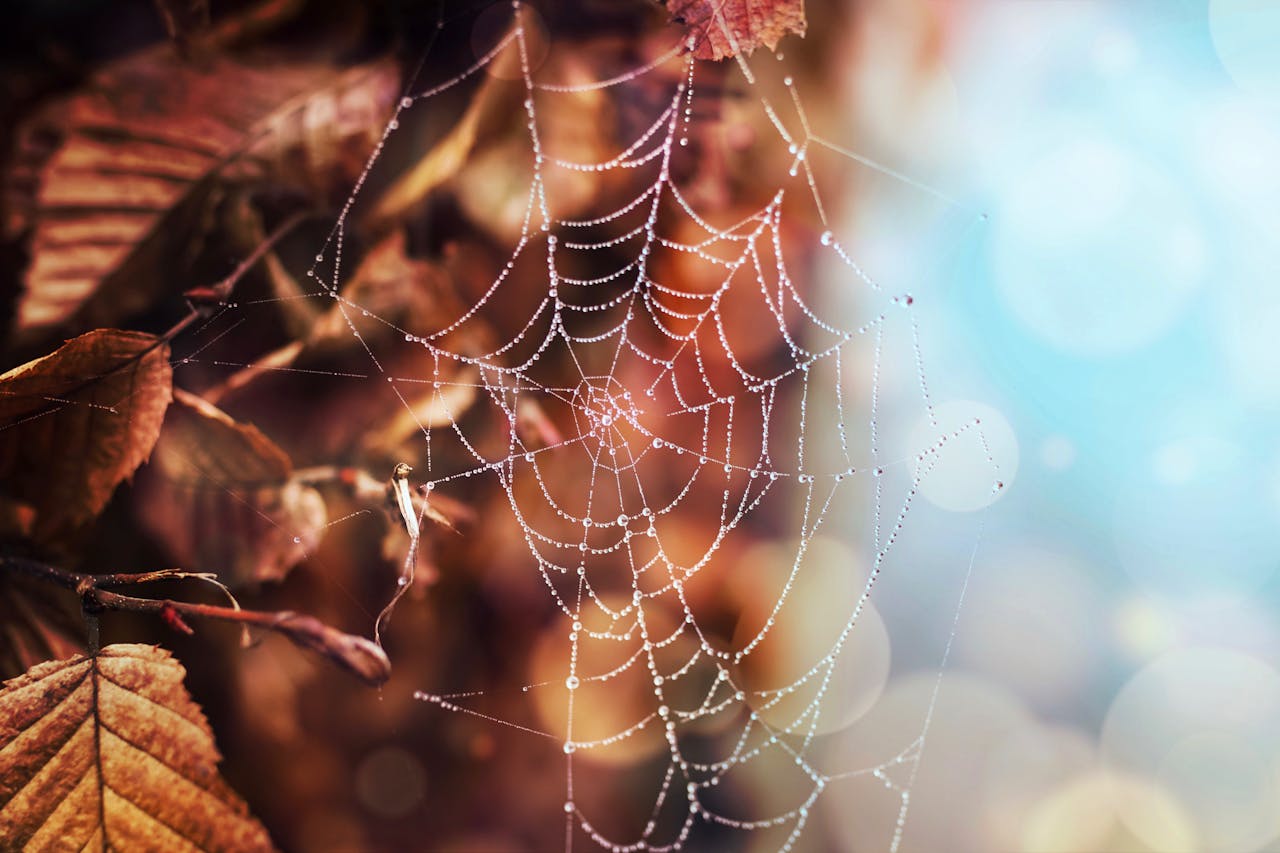
Every September and October, Seattle homeowners notice the same thing: spiders seem to appear out of nowhere. One day your porch light is clear, the next morning it’s covered in a freshly spun web. A shadow dashes across the bathroom floor, or a large spider is suddenly hanging out in the basement.
This fall spike isn’t your imagination. Spiders really are more visible during this time of year—but not because they’re invading en masse. The truth is more about biology, weather, and timing.
Fall Spider Season in Seattle: What’s Really Happening
When spiders start showing up in corners, basements, and doorways each fall, it’s easy to assume you’re dealing with an invasion. In reality, the surge in sightings has less to do with sudden infestations and more to do with timing. Spiders have their own seasonal rhythm, and September and October are when their activity becomes most obvious. Here’s what’s really going on.
It’s not an invasion—it’s courtship.
- Mating season: September and October are when many spider species reach maturity. Males that have been quietly tucked away all summer suddenly get bold, wandering in search of a mate.
- They’re more visible: Spiders aren’t multiplying overnight—they’re just leaving their usual hiding spots.
- Cooler nights: Seattle’s damp, chilly fall evenings drive some species indoors where it’s warmer and food is still plentiful.
Common Spiders Found in Seattle Homes During Fall
The spiders you see in September and October are often the same ones that have been around all summer; they’re just more visible now. Some of the most common include:
- Giant house spiders, which love damp basements and crawl spaces. Giant house spiders are often mistaken for brown recluse spiders, but the recluse doesn’t actually live in the Pacific Northwest.
- Hobo spiders, which stick close to ground-level spaces and foundations. Despite their reputation, hobo spiders are less aggressive than many people think.
- Orb weavers, the classic web-builders you notice outside. Their large, wheel-shaped webs catch the last waves of summer and fall insects near porches, eaves, and gardens.
Most of these spiders look intimidating because of their size, but they’re not dangerous. In fact, they’re doing you a favor by catching other pests.
Seattle Spider Myths vs. Facts in Fall
When spider sightings spike in September and October, so do the stories people tell about them. Neighbors swap warnings, social media posts circulate, and old fears resurface. The truth is, many of the “facts” about fall spiders in Seattle are more fiction than reality. Here are some of the most common myths—and what’s really happening behind the webs.
“They’re all coming inside to escape the cold.”
Not exactly—most spiders you see inside have lived there all along. You’re just noticing them more now.
“Every big brown spider is dangerous.”
False. The brown recluse is not native to Washington. Most large spiders you see are harmless house spiders.
“You have to kill them to keep them out.”
Not true. Prevention, sealing entry points, and keeping things tidy go much further than smashing one spider at a time.
Why Spiders Move Into Seattle Homes in Fall
If it feels like spiders are making themselves a little too comfortable inside your house each autumn, you’re not alone. Seattle homes provide plenty of reasons for them to sneak in once the weather shifts. From warmth to food to shelter, your living space can look like prime real estate to a wandering spider. Here are the biggest factors that draw them indoors when fall arrives:
- Warm, dry spaces on chilly nights.
- Insects drawn to porch lights—spiders follow the food.
- Basements, attics, crawl spaces, and storage areas offering shelter.
- Damp Seattle weather that encourages both insects and spiders.
How to Cut Down on Fall Spider Sightings
You don’t have to resign yourself to sharing your home with spiders every September and October. While you’ll never eliminate them completely (and honestly, you wouldn’t want to—spiders play a valuable role in controlling other pests), you can make your home far less appealing to them. A few simple, proactive steps go a long way toward reducing sightings.
Seal cracks and gaps. Spiders are experts at squeezing through tiny openings. Check around windows, doors, and vents for gaps, and repair torn window screens. Even small fixes can dramatically cut down on entry points.
Declutter storage spaces. Basements, attics, crawl spaces, and garages are spider havens because they provide quiet, undisturbed corners. Storing bins off the floor and keeping things organized reduces the number of places they can hide.
Reduce outdoor lighting when possible. Porch and garage lights attract moths, gnats, and other insects at night. Where insects gather, spiders follow. Turning off unnecessary lights—or switching to yellow “bug lights”—can help cut down on both.
Clean webs and egg sacs. Vacuuming or sweeping away webs not only removes the spiders you see but also disrupts their reproductive cycle. Regular cleaning keeps populations from growing unchecked.
Maintain your yard. Piles of leaves, stacked firewood, and other debris right against the foundation make perfect hiding spots. Keeping these items away from your home’s exterior helps prevent spiders from getting close enough to wander inside.
By combining these steps, you’ll notice fewer spiders competing for space inside your home this fall—and fewer surprises waiting for you in the basement or bathroom.
When to Call a Seattle Pest Control Expert for Spiders
Most spider sightings are harmless, but sometimes they cross into overwhelming. If you’re seeing dozens of spiders each week, or if you’re not sure whether the species you’re spotting could pose a health risk, it’s worth bringing in a professional. The same goes if you’re preparing for winter and want crawl space or attic inspections done at the same time.
At Willard’s Pest Control, we’ve been helping Seattle-area homeowners keep spider activity under control for decades. Our team knows the difference between harmless seasonal visitors and infestations that need attention.
Conclusion: Fall Spider Season in Seattle
Seeing more spiders in September and October doesn’t mean your house has suddenly become overrun. It’s simply their most active season. With a few preventative steps—and the peace of mind that comes with professional support when you need it—you can get through fall without feeling like your home has turned into a spider sanctuary.