You notice it first in the corner of the crawl space, or maybe behind the bathroom vanity — a dark, fuzzy patch that wasn’t there before. For homeowners in Seattle, Kirkland, or Bellevue, that discovery can be unsettling. Is it dangerous? Is it black mold? Does it need professional attention?
The short answer: not all mold is created equal. Washington State’s damp, marine climate makes it one of the most mold-prone environments in the country, and several distinct mold species thrive in our wet conditions. As we cover in our guide to why Seattle homes are so prone to mold, the combination of rainfall, older housing stock, and crawl space construction creates near-constant pressure on local homes. Knowing which type you’re dealing with can help you act quickly and protect your family.
This guide from the local experts at Willard’s Pest Control breaks down the most common molds found in Greater Seattle and Western Washington homes — what they look like, where they grow, and when it’s time to call for professional mold inspection and remediation.
Is All Mold the Same?
Before we get into species, it helps to understand that “mold” is a broad term for thousands of types of fungus. The U.S. Environmental Protection Agency classifies indoor molds into three health-risk categories that are useful for homeowners:
- Allergenic molds trigger allergy and asthma symptoms — sneezing, runny nose, watery eyes — but rarely cause severe illness in healthy adults.
- Pathogenic molds can cause infections and illness, particularly in people with compromised immune systems, the elderly, or infants.
- Toxigenic molds (the group black mold belongs to) produce mycotoxins, chemical compounds that can cause serious health effects even in otherwise healthy people.
Most molds found in homes start as an allergenic nuisance and, given time and moisture, can escalate. According to the Washington State Department of Health, when people are exposed to high levels of mold mycotoxins they may suffer toxic effects including fatigue, nausea, headaches, and irritation to the lungs and eyes. Here’s what you’re most likely to encounter in a Seattle-area home.
The Most Common Molds in Washington State Homes
1. Stachybotrys Chartarum (Black Mold)
The mold that every homeowner fears and for good reason.
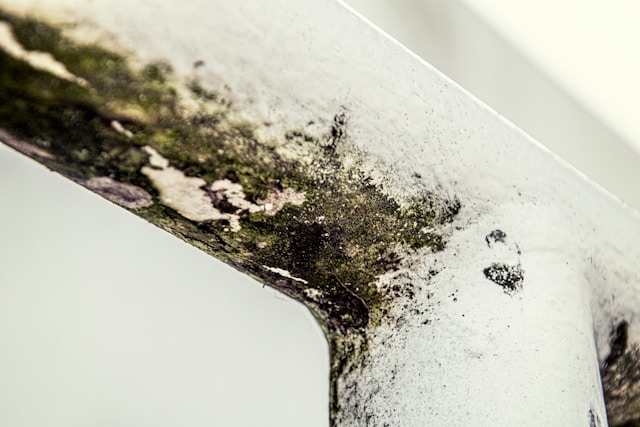
- What It Looks Like: Dark greenish-black, often appearing as a slimy or wet-looking patch. It can look almost charcoal-colored when dried out. It rarely appears as a light or fuzzy growth.
- Where It Grows in Seattle Homes: Stachybotrys needs sustained moisture — weeks or months of wet conditions, not just a single leak. In the Greater Seattle area, it’s most commonly found in crawl spaces with standing water or high soil moisture, behind drywall near chronically leaking pipes or rooflines, and in poorly ventilated basements. Our long rainy seasons and older housing stock in neighborhoods like Ballard, Georgetown, and West Seattle create ideal conditions. Our crawl space cleaning team finds it regularly in homes with aging or absent vapor barriers.
- Health Risks: Toxigenic. Stachybotrys produces mycotoxins associated with respiratory distress, headaches, fatigue, and in prolonged exposure, more serious neurological and immune effects. The Washington State Department of Health treats any confirmed Stachybotrys growth as a serious health concern.
- ⚠️ Local Tip: Black mold is often hidden, not visible. If your crawl space smells musty after a wet winter, or if you notice persistent water staining on lower walls, don’t wait to investigate. Stachybotrys grows slowly but is notoriously difficult to eliminate without professional remediation.
2. Cladosporium
The most common mold in Pacific Northwest homes, and one of the most cold-tolerant.
- What It Looks Like: Olive-green to brown or black spots, often appearing in clusters. It has a powdery or suede-like texture — distinct from the wet, slimy look of black mold.
- Where It Grows in Seattle Homes: Unlike many molds that prefer warm conditions, Cladosporium thrives in cool, damp environments — which perfectly describes our attics, crawl spaces, and north-facing exterior walls for much of the year. You’ll commonly find it on window sills with condensation, on the underside of carpets in damp lower-level rooms, and on bathroom grout and tile.
- Health Risks: Allergenic. Cladosporium is a well-documented allergen and a common trigger for asthma and hay fever symptoms. King County Public Health notes that daily mold exposure can trigger asthma and cause respiratory problems, headaches, watery eyes, and dizziness. While it’s rarely life-threatening in healthy adults, prolonged exposure can significantly worsen chronic respiratory conditions.
- ⚠️ Local Tip: Cladosporium is the mold most likely to appear on window sills and around window frames in Seattle homes. Our frequent temperature swings between cold outdoor air and heated interior air create heavy condensation, which feeds this mold all winter long. If it’s already established, a mold inspection can reveal whether growth has spread beyond what’s visible.
3. Penicillium
Yes — this is a relative of the mold used to produce penicillin. But in your home, it’s anything but beneficial.
- What It Looks Like: Blue-green with a powdery or velvety surface texture. It’s one of the faster-spreading molds and often appears in circular colonies that expand outward.
- Where It Grows in Seattle Homes: Penicillium is extremely common in crawl spaces and attics, especially where insulation has gotten wet. It also thrives on water-damaged drywall, wood framing, cardboard storage boxes, and even fabric. In homes throughout King and Snohomish Counties, crawl space insulation that’s absorbed ground moisture is one of the primary hosts. Our crawl space cleaning service frequently involves removing Penicillium-contaminated insulation before treatment.
- Health Risks: Allergenic to pathogenic, depending on the species. Penicillium is a known allergen and can trigger sinus infections, asthma flare-ups, and skin rashes. Some species produce harmful mycotoxins.
- ⚠️ Local Tip: Penicillium spreads fast. One wet attic or damaged section of crawl space insulation can harbor a colony that quickly expands across adjacent materials. If you’ve recently had a roof leak or noticed your crawl space insulation sagging or discolored, don’t assume removing visibly wet insulation is enough without also addressing the mold underneath.
4. Aspergillus
One of the most widespread molds in Washington homes, and one of the sneakiest spreaders.
- What It Looks Like: Aspergillus comes in many colors — green, yellow, brown, and white — depending on the species. It typically has a powdery texture and may look similar to dust at first glance.
- Where It Grows in Seattle Homes: Aspergillus grows on an unusually wide range of materials, including drywall, insulation, stored food, dust, and even fabric. What makes it particularly concerning in our region is its ability to spread rapidly through HVAC systems. During our long heating season, forced-air systems can distribute Aspergillus spores from a single damp corner throughout an entire home.
- Health Risks: Allergenic to pathogenic. In healthy people, it commonly causes allergy symptoms. In people with asthma, weakened immune systems, or existing lung conditions, Aspergillus fumigatus can cause serious lung infections. The EPA notes that mold exposure can irritate the eyes, skin, nose, throat, and lungs of both allergic and non-allergic people.
- ⚠️ Local Tip: If you find Aspergillus in one area of your home, have your ducts inspected. Given how effectively forced-air heating distributes spores, a small hidden colony near a vent can mean widespread contamination before you ever see visible growth. Our mold inspection process includes thermal imaging to locate hidden problem areas.
5. Alternaria
Common outdoors in Washington’s lush environment, Alternaria moves indoors when conditions invite it.
- What It Looks Like: Dark green to brown or gray, with a velvety or woolly texture. It typically grows in irregular patches rather than tight circular colonies.
- Where It Grows in Seattle Homes: Alternaria enters homes through open windows and doors, then establishes itself wherever moisture is present. In Seattle-area homes, it’s commonly found in bathrooms, especially around showers and tubs, in kitchens near sinks, and in window wells and around door frames. It’s one of the most common triggers for seasonal allergy symptoms in the Pacific Northwest.
- Health Risks: Allergenic. Alternaria is one of the leading outdoor mold allergens in Washington State and causes significant allergic rhinitis and asthma symptoms. When it establishes indoors, symptoms can persist year-round rather than just seasonally.
- ⚠️ Local Tip: Alternaria growth in bathrooms is often a ventilation problem as much as a moisture problem. A bathroom exhaust fan that vents into the attic rather than to the exterior — common in older Seattle-area homes — can actively spread mold rather than prevent it. For attic contamination from this cause, our attic cleaning and decontamination service addresses both the mold and the underlying ventilation issue.
6. Chaetomium
Less well-known than black mold, but a reliable indicator that serious water damage has occurred.
- What It Looks Like: White and cottony when young, turning dark gray or olive-brown as it matures. It often smells musty and earthy — sometimes compared to old, damp soil.
- Where It Grows in Seattle Homes: Chaetomium grows almost exclusively on cellulose materials that have been wet for extended periods — drywall, wood framing, and paper-faced insulation. Finding it is often a sign of significant, sustained water intrusion, like an undetected roof leak, a foundation drainage failure, or years of crawl space moisture.
- Health Risks: Pathogenic for some species. Chaetomium has been linked to skin and nail infections and can cause respiratory symptoms. Some species produce mycotoxins associated with neurological symptoms in cases of prolonged exposure.
- ⚠️ Local Tip: Chaetomium is often found alongside Stachybotrys (black mold) because both require the same sustained wet conditions. If a mold inspection reveals Chaetomium, it’s a strong signal that structural materials — not just surface finishes — may be compromised and professional mold removal is necessary.
When to Call a Professional
Identifying mold by appearance alone is tricky, and DIY testing kits frequently produce inconclusive or misleading results. As the EPA advises, if you can see or smell mold, you have a mold problem and the focus should be on safe cleanup and fixing the moisture source, not just surface treatment.
If you see any of the following signs in your Seattle or Western Washington home, it’s time to call for a professional mold inspection:
- A persistent musty odor, even without visible growth
- Water stains on walls, ceilings, or around window frames
- Visible fuzzy or discolored patches — any color, any texture
- Allergy or respiratory symptoms that improve when you leave home and return when you’re inside
- A recent roof leak, plumbing failure, or crawl space flooding
- You’re buying or selling a home (Washington State requires sellers to disclose known mold)
At Willard’s Pest Control, our certified mold inspection process uses thermal imaging, humidity mapping, and independent laboratory testing to identify not just what type of mold you have, but where it’s coming from and how far it has spread, including behind walls and under floors where you can’t see it. From there, our team handles everything from mold removal to full mold remediation with long-term moisture prevention.
Don’t Let Seattle’s Climate Win
Mold is a part of life in the Pacific Northwest, but mold problems don’t have to be. The key is identifying the right species, finding the true source of moisture, and remediating properly — not just wiping down a visible surface and hoping for the best.
📞 Call us at 425-820-1980 or Schedule Your Seattle Mold Assessment Online to get answers from the local team that has protected Greater Seattle homes since 1987.