
Mold doesn’t always show up where you expect it. It’s not always green. It’s not always fuzzy. Sometimes it hides—growing quietly behind your walls, beneath your floors, or inside your crawl space, all while polluting the air you breathe.
If you’ve ever smelled that musty funk in your home but couldn’t see where it was coming from, there’s a good chance mold has found a place to hide.
Why Hidden Mold Is So Common in Seattle Area Homes
The Seattle climate has all the ingredients mold needs to thrive—rain, high humidity, and older homes with basements, crawl spaces, and tight wall cavities. Many houses were built decades ago without the kind of vapor barriers, fans, and insulation we’d use today.
Add in the occasional plumbing leak or attic condensation, and you’ve got a recipe for mold growth behind drywall, under vinyl flooring, or even inside ceiling tiles.
The scary part? You may not see any of it. But it can still affect your health.
Do You Have a Hidden Mold Risk?
You don’t need to tear into your drywall to start assessing the risk. In fact, a few key signs can tell you whether it’s time to take a closer look.
Ask yourself:
- Has your home ever had a roof leak, pipe burst, or basement flood—even years ago?
- Do you notice a musty smell in certain rooms, especially after it rains?
- Is your crawl space or attic poorly ventilated or unsealed?
- Are there any areas of your home where paint is bubbling, walls feel damp, or trim is warping?
- Do allergy symptoms seem worse when you’re indoors at home, especially in winter?
- Do you use a humidifier regularly—or live in a home that stays humid year-round?
If you answered “yes” to one or more, your home may be at risk for hidden mold. It doesn’t mean it’s guaranteed—but it does mean it’s worth getting checked.
Signs Mold Might Be Lurking Behind Your Walls
Even without fancy tools, your home sends signals. Watch for:
- That damp, basement-like smell that doesn’t go away
- Paint that’s peeling or discolored for no clear reason
- Warping drywall or soft, spongy walls
- A history of leaks that were “cleaned up” but never professionally dried
- Allergy flare-ups that seem worse inside your home
Mold doesn’t need a dramatic flood to start spreading. It only needs a little moisture, a dark space, and time.
How Pros Detect Hidden Mold Without Tearing Things Apart
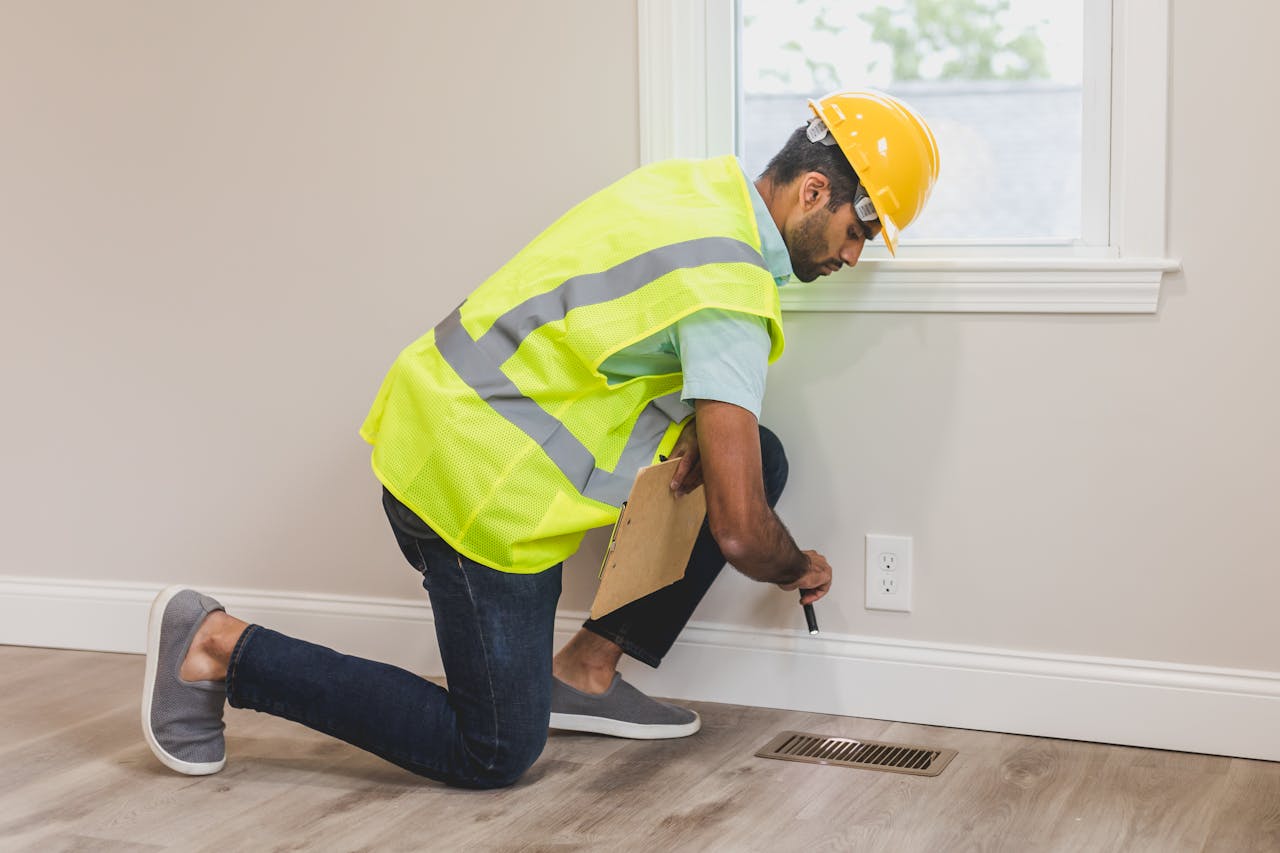
When we inspect a Seattle area home for mold, we come equipped with more than a flashlight and good intentions.
- Moisture Meters help us check inside walls and ceilings for damp materials
- Infrared Thermal Imaging shows us cold or wet spots that might not be visible yet
- Air Sampling lets us detect spore counts and compare indoor air to outdoor baseline levels
- Surface Swabs give us lab-confirmed insights into what kind of mold is present (and whether it’s active)
- And most importantly: experience with Eastside homes gives us an edge in knowing where to look
You don’t need to knock down walls to find out if there’s a problem—but you do need the right eyes on it.
Why Store-Bought Mold Tests Don’t Cut It
At-home kits might seem like a shortcut, but they rarely give you a full picture. Many mold spores exist in normal air at harmless levels, and DIY kits can mislead more than they help.
They won’t tell you:
- Where the mold is growing
- Whether it’s active or dormant
- What’s causing it in the first place
And most importantly, they won’t help you fix the real problem.
What Happens During a Willard’s Mold Inspection?
Our mold inspections are designed to give you answers—not headaches. We show up with tools and knowledge, not scare tactics.
Here’s what you can expect:
- A full walkthrough of your home
- Moisture checks at key points like attics, crawl spaces, bathrooms, and basements
- Thermal imaging if we suspect hidden moisture
- Optional sampling when needed
- A clear, detailed report with recommendations—no fluff
Sometimes the result is “all clear.” Other times, there’s something to address. Either way, you’ll know for sure.
If We Do Find Mold, What Then?
If mold is confirmed, you’ve got options. Some cases only require localized cleaning. But if the issue is widespread or tied to moisture problems, full remediation may be the better route.
Our team at Willard’s will walk you through what makes the most sense—always focused on fixing the root cause and keeping your home mold-free long term.
Breathe Easy Again—Without Tearing Your House Apart
If you suspect hidden mold, don’t wait. Schedule a mold inspection with Willard’s and get peace of mind without the mess.