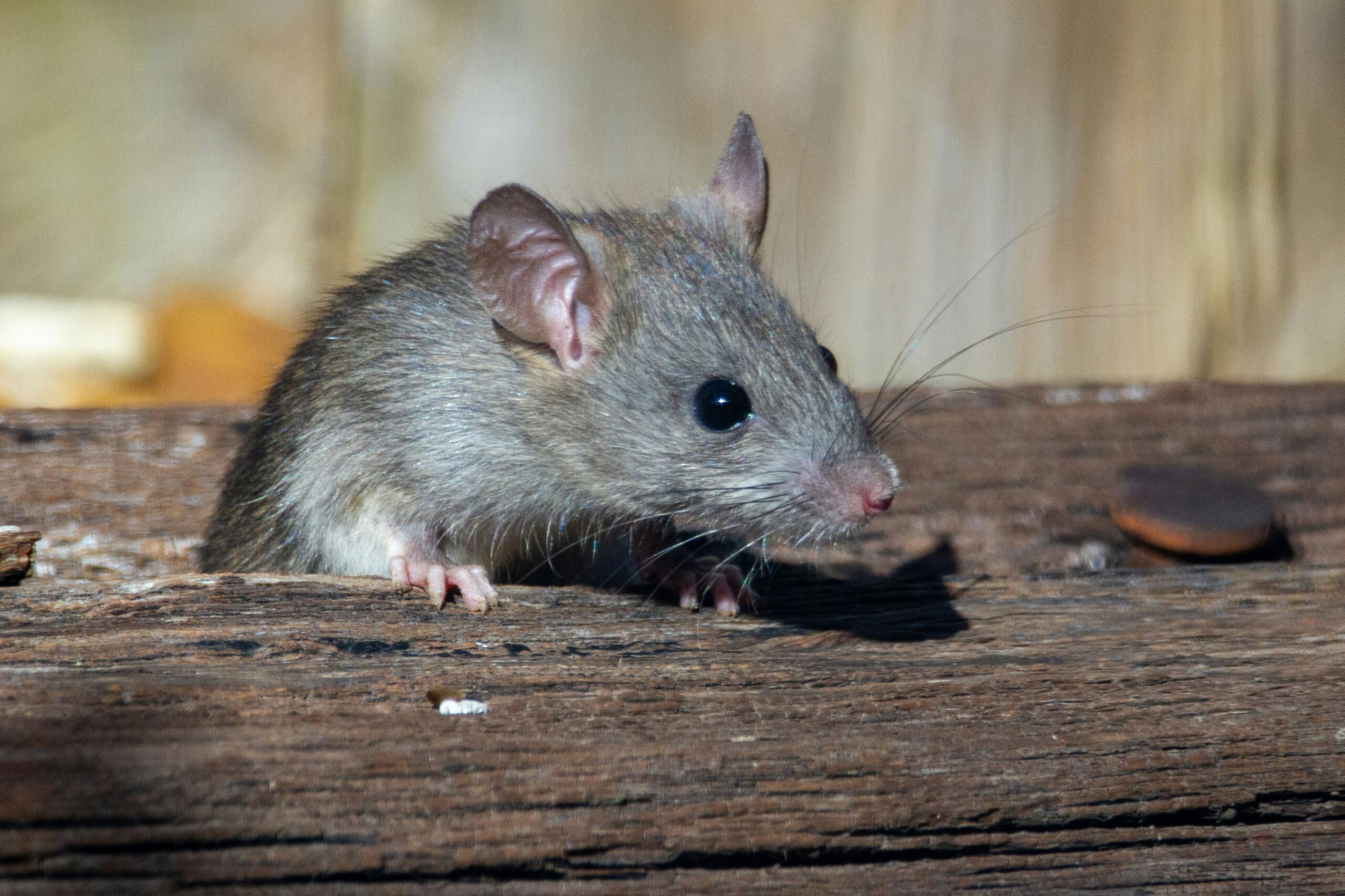
When homeowners discover rodents in their attic or crawl space, the immediate focus is usually on getting rid of them. That is the right first step. But once the rodents are gone, a second problem often remains: the insulation they lived in.
Rodent-damaged insulation is one of the most common and most underestimated consequences of an infestation in the greater Seattle area. Understanding what actually happens to insulation during a rodent infestation, and why it typically cannot be salvaged, helps homeowners make informed decisions about what comes next.
Why Rodents Target Insulation
Attics and crawl spaces offer rodents exactly what they need: warmth, shelter, darkness, and proximity to food. Insulation makes these spaces even more attractive. Fiberglass batt insulation in particular is soft, easy to compress, and provides excellent thermal comfort for nesting. Norway rats, roof rats, house mice, and deer mice all exploit insulation for nesting material and burrowing habitat.
Once a rodent colony establishes itself in insulated spaces, the damage is rarely limited to a small area. Rodents travel throughout the insulation, contaminating far more material than is visibly affected.
What Rodents Actually Do to Insulation
They Compact and Tear It Apart
Rodents do not respect the installed structure of insulation. They burrow through batts, tear off sections for nesting material, and compress areas down to create runways and chambers. A batt that originally provided R-19 or R-30 thermal resistance may be compressed to a fraction of its original thickness in areas of heavy activity, dramatically reducing its effectiveness.
Fallen or heavily compressed insulation no longer makes proper contact with the subfloor or roof deck above it. Once that air gap forms, the thermal barrier is effectively broken, and the insulation is providing little meaningful benefit regardless of what it looks like from below.
They Contaminate It With Urine and Droppings
This is the more serious problem. Rodents urinate and defecate continuously as they move. In insulation, which is an absorbent material, urine soaks deep into the fibers and cannot be removed by any surface cleaning method. Droppings accumulate throughout nesting areas and along travel routes.
The health risks associated with rodent-contaminated insulation are well documented. According to the Washington State Department of Health, rodents in Washington carry diseases including hantavirus, leptospirosis, and salmonella. In Washington State, deer mice are the primary carrier of hantavirus, a rare but potentially fatal respiratory illness.
The danger comes not from direct contact alone, but from airborne particles. When contaminated insulation is disturbed, dried urine and fecal matter become dust that can be inhaled. Because attics and crawl spaces are connected to a home’s living spaces through air movement and HVAC systems, these particles can circulate into areas where people live and breathe.
The CDC recommends treating areas with rodent contamination with extreme caution and advises against sweeping or vacuuming dry droppings, which aerosolizes the material. Professional cleanup with appropriate protective equipment is the recommended approach for significant contamination.
They Introduce Parasites
Rodents carry fleas, mites, and ticks. When rodents nest in insulation, these parasites establish themselves in the material as well. Once the rodents are removed, the parasites do not simply disappear; they can migrate into the living space through gaps in the floor or ceiling, affecting both people and pets.
Contaminated insulation that harbors live parasites or their eggs is another reason that removal rather than treatment is typically the appropriate response.
They Compromise the Vapor Barrier
In crawl spaces, rodents frequently tear through the vapor barrier while burrowing. A damaged vapor barrier allows ground moisture to evaporate directly into the crawl space, where it is absorbed by the insulation above. The combination of rodent damage and moisture intrusion accelerates the deterioration of insulation significantly.
Willard’s post on signs it is time to replace your crawl space vapor barrier covers what to look for if you suspect the vapor barrier has been compromised alongside the insulation.
Can Rodent-Damaged Insulation Be Cleaned Rather Than Replaced?
This is one of the most common questions homeowners ask, and the answer is almost always no.
The reason is straightforward: rodent waste penetrates deep into absorbent insulation fibers. Surface-level cleaning or the application of deodorizing sprays addresses only what is visible, not the contamination that has soaked into the material itself. Odors will return, and the underlying health risk remains.
Additionally, insulation that has been physically damaged by rodents, compressed, torn apart, or had sections pulled down, cannot be restored to its original thermal performance. Even if it could be sanitized, it would still need to be replaced to restore the insulation’s function.
Professional remediation firms and pest control specialists uniformly recommend full removal and replacement of insulation that has been subject to significant rodent activity. This is not an upsell; it is the only approach that actually resolves both the contamination and the performance problem.
How Contaminated Insulation Affects Indoor Air Quality
One aspect of rodent-damaged insulation that many homeowners do not fully appreciate is how it affects the air inside the home, even in living spaces well above the crawl space or attic.
Attics and crawl spaces are not fully sealed from the rest of the home. Warm air rises and escapes through gaps in the ceiling. Crawl spaces allow air to flow up through gaps in the subfloor, around plumbing penetrations, and through poorly sealed rim joists. HVAC systems often have ductwork running through these spaces, and leaky ducts can pull contaminated air directly into the system.
The result is that allergens, bacteria, and in serious cases airborne particles from hantavirus-contaminated material can circulate through the home. For households with children, elderly members, or anyone with respiratory conditions or compromised immune systems, the risk is heightened.
Addressing contaminated insulation promptly is not just a comfort or energy efficiency decision; it is a health one.
The Right Order of Operations After a Rodent Infestation
Many homeowners make the mistake of replacing insulation before fully resolving the rodent problem. New insulation installed in a space that still has active rodents, or that has not had entry points sealed, will be re-contaminated within a season. Pheromone trails left by previous rodents actively attract new ones to the same areas.
The correct sequence is:
Step 1: Eliminate the active infestation. Trapping and removal of existing rodents should be completed before any cleanup or insulation work begins. Willard’s rodent control services address active infestations in both attics and crawl spaces.
Step 2: Identify and seal entry points. Every gap, crack, and penetration that allowed rodents to enter needs to be identified and sealed before new insulation is installed. Without this step, the problem will recur regardless of how thorough the cleanup is.
Step 3: Remove contaminated insulation. All insulation that shows evidence of rodent activity, whether visibly damaged, odor-affected, or located in areas where rodents were active, should be removed. This work requires proper protective equipment and containment to avoid spreading contaminated particles.
Step 4: Sanitize and decontaminate the space. The attic or crawl space should be cleaned and treated with appropriate antimicrobial agents before new insulation is installed. For attics, Willard’s provides attic cleaning and decontamination as part of this process. For crawl spaces, crawl space cleaning handles the same step.
Step 5: Install new insulation. Once the space is clean, dry, and sealed, new insulation can be installed. For attics, Willard’s provides attic insulation removal and replacement. For crawl spaces, crawl space insulation installation completes the restoration.
Skipping or reordering any of these steps typically results in either a recurring infestation or a repeat contamination event.
How to Tell If Your Insulation Has Been Affected
Not every homeowner knows they have a rodent problem until the damage is already done. Signs that insulation in your attic or crawl space may have been affected include:
- A persistent ammonia-like odor, particularly noticeable in the attic or near the floor above the crawl space
- Scratching or rustling sounds in the ceiling or beneath the floor, especially at night
- Visible droppings in the attic or crawl space
- Insulation that is torn, flattened, displaced, or shows visible nesting material such as shredded fabric or plant material
- Gnaw marks on wood, wiring, or insulation facings
- Unexplained increases in heating costs
If you are finding any of these signs, a professional inspection is the right next step. For a broader look at rodent warning signs in these spaces, Willard’s post on signs of rodents in crawl spaces covers what to look for in detail.
Frequently Asked Questions
Does all the insulation need to be replaced after a rodent infestation?
Not necessarily. In some cases, if rodent activity was confined to a specific area, only the affected insulation needs to be removed. However, because rodents travel extensively through insulation and contaminate far more material than is visibly damaged, a professional assessment is needed to determine the actual scope. It is rarely safe to assume contamination is limited to the areas where you can see obvious damage.
Can I remove rodent-contaminated insulation myself?
It is strongly discouraged. Removing contaminated insulation without proper protective equipment, including an N95 respirator, disposable coveralls, and gloves, risks inhaling hantavirus particles and other pathogens. Professional removal includes containment measures to prevent spreading contaminated material through the home.
How long does attic or crawl space insulation replacement take after a rodent infestation?
The timeline depends on the extent of the infestation and the size of the space. A straightforward attic or crawl space job typically takes one to two days when insulation removal, sanitization, and reinstallation are done sequentially.
Will homeowners insurance cover rodent-damaged insulation?
Most standard homeowners insurance policies in Washington State do not cover rodent damage to insulation because insurers classify rodent infestations as preventable maintenance issues. However, secondary damage caused by rodents, such as electrical fires from chewed wiring, may be covered under different provisions. Checking your specific policy is the best approach.
What type of insulation is less attractive to rodents?
Rigid foam board and closed-cell spray foam are harder for rodents to burrow through and nest in compared to fiberglass batts. However, no insulation type is fully rodent-proof. Exclusion, meaning sealing all entry points, remains the most important protective measure.
How do I prevent rodents from returning to my insulation after replacement?
Sealing all entry points before installing new insulation is essential. Beyond that, reducing outdoor attractants (compost bins, bird feeders, dense ground cover near the foundation) and maintaining good perimeter hygiene around the home significantly reduces rodent pressure. Willard’s post on signs of rodents in crawl spaces covers preventive steps in detail.
When to Call a Professional
Rodent-damaged insulation is not a DIY remediation project. The health risks from disturbing contaminated material, combined with the importance of properly sequencing exclusion, cleaning, and reinstallation, make professional handling the right approach for most homeowners.
Willard’s Pest Control handles the full process, from rodent removal and exclusion to attic and crawl space cleaning, decontamination, and insulation replacement. They serve homeowners throughout King, Pierce, Snohomish, and Kittitas Counties, including Seattle, Bellevue, Kirkland, Redmond, Issaquah, Sammamish, Renton, Tacoma, and surrounding communities. Call (425) 820-1980 or contact Willard’s online to schedule an inspection.