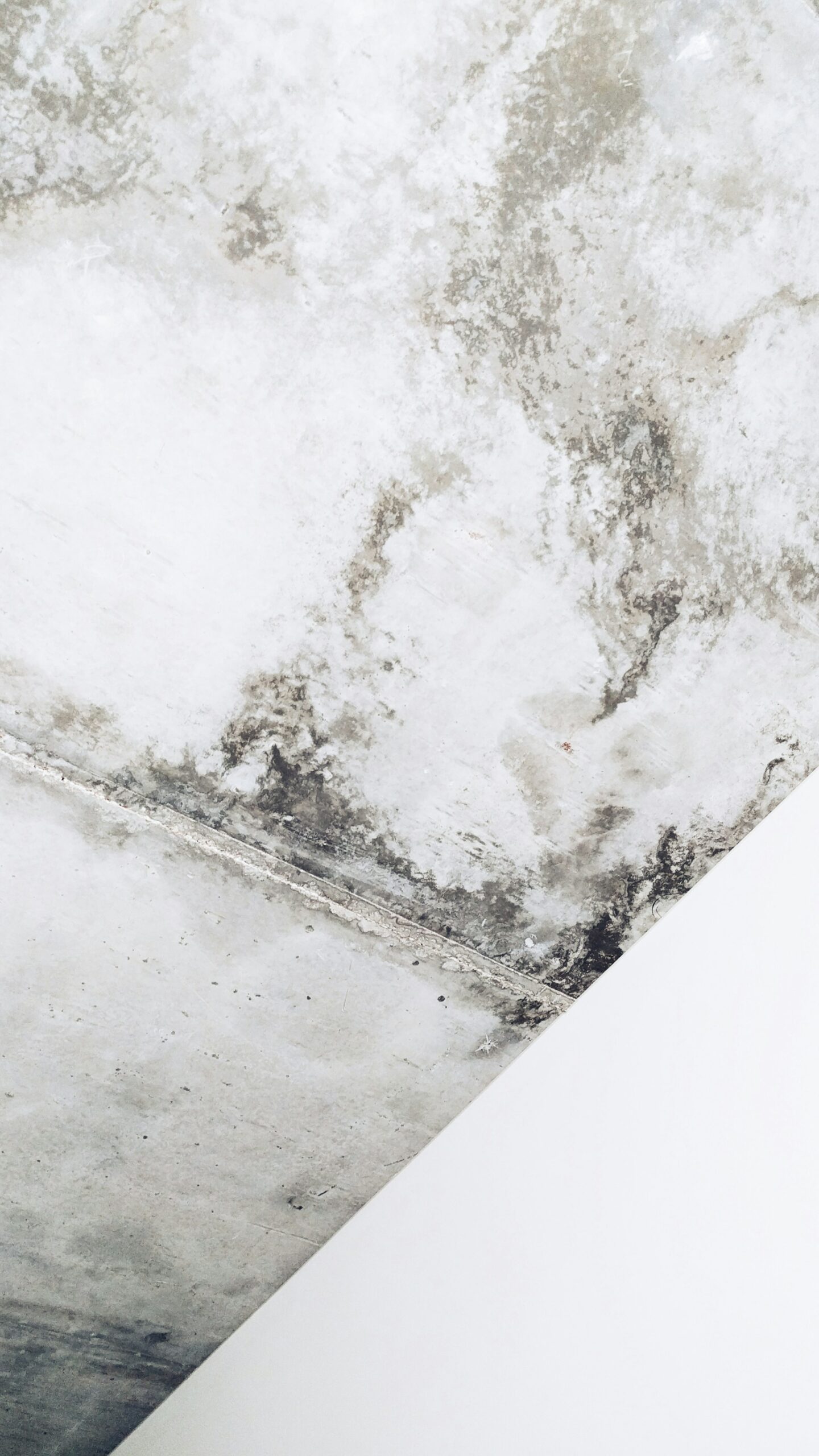
If you’ve discovered mold in your home—whether it’s creeping across an attic beam or behind a basement wall—you’ll probably start seeing a flood of terms. Mold removal. Mold remediation. Cleanup. Abatement. It’s enough to make your head spin.
But here’s the truth: choosing the wrong service can lead to recurring mold, damaged materials, and money down the drain. The difference between mold removal and remediation matters—and this guide will break it down clearly, without the jargon.
What Is Mold Removal?
Mold removal is exactly what it sounds like. It’s the process of physically removing visible mold from affected surfaces. That might mean scrubbing it off tile, wiping down drywall, or vacuuming debris with a HEPA-rated vacuum.
There’s usually no demo involved—just containment, cleaning, and disinfecting. It’s a short-term solution aimed at visible mold only.
In most cases, mold removal includes:
-
Isolating the area to prevent spore spread
-
Cleaning surfaces with antimicrobial solutions
-
Running HEPA air filtration while work is underway
-
Wiping down and drying cleaned surfaces
If the mold is surface-level, not widespread, and hasn’t been caused by ongoing moisture, this may be enough.
What Is Mold Remediation?
Mold remediation goes further than removal. It’s a comprehensive process designed to address both the mold and the moisture that’s allowing it to grow. That might mean pulling out soaked insulation, drying a crawl space, or fixing poor ventilation in an attic.
Mold remediation includes:
-
Full inspection and moisture mapping
-
Air filtration and containment
-
Safe removal of damaged or contaminated materials
-
Deep cleaning with antimicrobial products
-
Dehumidification and moisture control
-
Prevention guidance tailored to your home
It’s more involved—and more effective in stopping mold from returning.
Mold Removal vs. Remediation: How to Tell Which One You Need
If you’re trying to decide between remediation vs. removal, here’s a good rule of thumb:
Mold removal is usually enough if:
-
The affected area is small and visible
-
There’s no history of leaks, flooding, or water intrusion
-
The mold is on a hard, non-porous surface (like tile or sealed wood)
-
The issue was caught early and hasn’t spread
Mold remediation is necessary when:
-
Mold keeps coming back, even after cleaning
-
There’s water damage, trapped humidity, or high moisture levels
-
Mold is growing behind walls, under insulation, or throughout a crawl space or attic
-
You notice musty odors throughout the home
-
Health symptoms improve when you leave the house
We’ve worked in plenty of Seattle area homes where folks assumed a quick surface cleaning would fix things—only to have mold return months later. In most of those cases, the moisture problem was never addressed.
How Do Costs Compare?
It’s no surprise that mold remediation typically costs more than mold removal. It involves more time, more labor, and sometimes material replacement.
-
Mold removal might cost a few hundred to a couple thousand dollars, depending on the area
-
Remediation can cost more depending on damage, square footage, and cause (crawl space work, for example, tends to be more involved)
But here’s what’s important: remediation is the fix that actually sticks. Removal without solving the moisture problem is like repainting over a leak without patching the roof.
Can You Skip Remediation If You Just Want the Mold Gone?
You can. Plenty of companies will offer surface-level mold cleanup, and in some cases, that’s all you need. But skipping remediation when you really need it tends to lead to:
-
Recurring mold growth
-
Damage to framing, insulation, or drywall
-
Worsening indoor air quality
-
Problems during resale or inspection
That’s why we always recommend a proper inspection first—to understand the scope before jumping into solutions.
What to Expect from a Professional Mold Remediation Service
At Willard’s Pest Control, here’s how we approach mold remediation in Kirkland homes:
-
We start with a full inspection using thermal imaging and moisture meters
-
We isolate the area and run HEPA filtration
-
If needed, we remove compromised drywall, insulation, or vapor barriers
-
Surfaces are scrubbed, treated, and sanitized
-
We install drying equipment and provide a long-term prevention plan
-
You get a 10-year workmanship warranty when applicable
We don’t offer a one-size-fits-all mold solution. Some jobs take a day. Others take five. But every job ends with a dry, mold-free space—and a homeowner who’s confident in the fix.
Still Have Questions About Mold Remediation vs. Removal?
Do I need to test for mold before removal?
Only if it’s not visible or you need documentation. If it’s clearly mold, testing isn’t always necessary.
Will mold grow back after removal?
If the moisture source remains, yes. That’s why remediation is often recommended.
How long does mold remediation take?
It depends. Most jobs take 2–5 days depending on the severity and size of the affected area.
Is mold in my attic or crawl space dangerous?
It can be. Mold impacts indoor air and contributes to respiratory symptoms—especially for children, seniors, and people with asthma.
Not Sure What You Need? We’ll Help You Figure It Out.
If you’re in Kirkland, Redmond, Bellevue, or anywhere on the Eastside, we’re happy to stop by, assess the problem, and tell you honestly whether it’s a simple removal job—or if remediation makes more sense.