Crawl space insulation is one of those home systems that most homeowners never think about until something goes noticeably wrong. It sits out of sight beneath the floor, quietly doing its job, or quietly failing to do it. In the Pacific Northwest, where ground moisture is persistent, humidity is high for much of the year, and rodent activity is common, crawl space insulation tends to degrade faster than it would in drier climates.
The problem is that failing insulation rarely announces itself clearly. Instead, it shows up as higher energy bills, cold floors, or a persistent musty smell that seems to come from nowhere. By the time those symptoms appear, the insulation has often been compromised for some time.
This guide covers the most common signs that your crawl space insulation needs to be replaced, what causes each problem, and what to do about it.
Why Crawl Space Insulation Matters in Seattle-Area Homes
In a vented crawl space, insulation is installed between the floor joists to slow the transfer of cold air from below into the living space above. When it functions properly, it keeps floors warmer, reduces the load on your heating system, and helps maintain consistent temperatures throughout the home.
Seattle and the greater Puget Sound area fall within Climate Zone 4C (marine climate) according to the U.S. Department of Energy, a zone defined by cool, wet winters, mild summers, and significant moisture concerns. The 2021 Washington State Energy Code sets specific R-value requirements for crawl space insulation in this region, but many older homes were built to lower standards or have had insulation degrade to the point where it no longer meets even the earlier thresholds.
For more on why Seattle homes are especially vulnerable to crawl space problems, Willard’s post on why Seattle homes are prone to crawl space moisture problems provides useful background.
Sign 1: Cold Floors, Especially in Winter
If the floors in your home feel noticeably cold during fall and winter, particularly over areas above the crawl space, underperforming insulation is one of the most common causes. Crawl space insulation is designed to block cold air from transferring up through the subfloor. When it fails, that cold air moves freely into the living space.
Cold floors are not always caused by insulation failure alone. Air leaks at rim joists, gaps around plumbing penetrations, and failed vapor barriers can all contribute. But if you have ruled out obvious drafts and the problem persists, the insulation itself warrants inspection.
Sign 2: Noticeably Higher Energy Bills
When crawl space insulation loses its thermal resistance, your heating and cooling systems have to work harder to maintain comfortable indoor temperatures. If your energy bills have increased without an obvious explanation, particularly during heating season, degraded crawl space insulation is a likely contributor.
This is especially true in homes where the crawl space was never properly insulated to begin with, or where insulation has been installed at a lower R-value than the Washington State Energy Code recommends. Many older homes in King County, Snohomish County, and Pierce County were built when insulation standards were significantly lower than they are today.
Sign 3: Visible Sagging, Falling, or Compressed Insulation
Fiberglass batt insulation installed between floor joists is supposed to make contact with the subfloor above and be held in place by supports or friction. In a Pacific Northwest crawl space, this installation frequently fails over time.
Moisture causes fiberglass batts to become heavy and sag away from the subfloor. Rodent activity tears batts apart or pulls sections down entirely. Supports corrode and give way. Once insulation sags or falls, it is no longer doing its job regardless of its original R-value rating. A gap of even a few inches between the insulation and the subfloor dramatically reduces thermal performance.
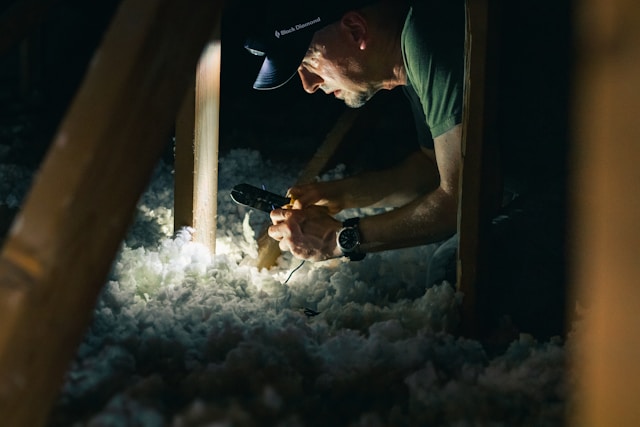
If you can safely access your crawl space, fallen or sagging insulation is one of the clearest signs that replacement is needed.
Sign 4: Moisture Damage, Mold, or Musty Odors
Fiberglass insulation does not feed mold directly, but it absorbs moisture and holds it against the wood framing and subfloor above. In Seattle’s damp climate, wet insulation in a crawl space is a near-certain precursor to mold growth.
Signs of moisture damage in crawl space insulation include:
- Visible discoloration or dark staining on batt surfaces
- A musty or earthy smell noticeable inside the home, particularly near the floor
- Wet or compressed insulation that has lost its original thickness and fluffiness
- Mold visible on adjacent wood framing or the vapor barrier
Once insulation has become saturated or mold has established itself in the material, drying it out is not sufficient. Contaminated insulation needs to be removed and replaced. Willard’s provides crawl space cleaning services to address the affected area before new insulation is installed.
For more on identifying crawl space mold specifically, Willard’s post on how to tell if you have mold in your crawl space covers the key warning signs in detail.
Sign 5: Signs of Rodent Activity
Rodents are a significant and underappreciated cause of crawl space insulation failure in the Seattle area. Norway rats, house mice, and deer mice all use crawl space insulation for nesting material. They tear batts apart, burrow through them, and contaminate the material with urine and droppings.
Insulation that has been used as rodent nesting material cannot be cleaned or restored. The contamination penetrates deep into the material and creates ongoing health risks. According to the Washington State Department of Health, deer mice are the primary carrier of hantavirus in Washington state, and their urine and droppings in insulation can release harmful particles into the air when disturbed.
Signs of rodent activity in crawl space insulation include:
- Visible droppings in or near insulation
- Insulation that has been torn, pulled down, or shows visible nesting material
- A strong ammonia-like odor from rodent urine
- Sounds of movement beneath the floor, particularly at night
If you find evidence of rodent activity in your crawl space, the insulation should be inspected and, in most cases, replaced. Willard’s handles both the crawl space cleaning and crawl space insulation replacement, along with rodent exclusion to prevent future infestations.
Sign 6: A Vapor Barrier That Is Damaged or Missing
The vapor barrier is the plastic sheeting that covers the ground in the crawl space. It is not insulation itself, but it works alongside insulation to control ground moisture. A damaged, torn, or absent vapor barrier allows ground moisture to evaporate directly into the crawl space, where it is absorbed by insulation, wood framing, and the subfloor.
If you can see tears, gaps, or areas where the vapor barrier has been pulled back or is missing entirely, moisture damage to the insulation above it is likely. Willard’s post on signs it is time to replace your crawl space vapor barrier walks through what to look for.
Sign 7: The Home Is Old and the Insulation Has Never Been Updated
Many homes in the greater Seattle area were built in the 1970s, 1980s, and 1990s with insulation standards that fall well below what the current Washington State Energy Code requires. Even if that original insulation has never been visibly damaged, it may be significantly underperforming relative to current standards.
Fiberglass batt insulation also has a finite lifespan, typically 15 to 25 years under normal conditions, and less in a damp Pacific Northwest crawl space where moisture, compression, and pest activity accelerate degradation. If your home is more than 20 years old and the crawl space insulation has never been replaced or inspected, a professional assessment is a reasonable step.
What Happens During Crawl Space Insulation Replacement?
Understanding the process can help set expectations before scheduling an inspection. A professional crawl space insulation replacement typically involves:
- A full assessment of the existing insulation, vapor barrier, and any signs of moisture or pest activity
- Removal of damaged, contaminated, or underperforming insulation
- Sanitization of the crawl space if rodent activity or mold is present
- Installation of new insulation to meet current Washington State Energy Code R-value requirements
- Repair or replacement of the vapor barrier if needed
Willard’s crawl space insulation service covers all of these steps, including addressing any pest damage discovered during the assessment.
Frequently Asked Questions
How do I know if my crawl space insulation needs to be replaced?
The clearest signs are cold floors, rising energy bills, a musty odor indoors, visible moisture or mold in the crawl space, sagging or fallen insulation, and any evidence of rodent activity. If you see one or more of these, a professional inspection is the right next step.
Can crawl space insulation be dried out and reused?
In most cases, no. Fiberglass insulation that has been saturated with moisture loses its thermal resistance and cannot be effectively dried in place. Insulation contaminated by rodents cannot be cleaned and must be replaced for both performance and health reasons.
How often should crawl space insulation be replaced?
There is no fixed schedule, but most fiberglass batt insulation installed in a Pacific Northwest crawl space should be inspected every 5 to 10 years and will typically need replacement at some point between 15 and 25 years, sooner if there has been moisture intrusion or pest activity.
What type of insulation is used in crawl spaces in the Seattle area?
Fiberglass batt insulation is the most common type used between floor joists in vented crawl spaces. Foam board and closed-cell spray foam are also used in some applications, particularly on crawl space walls in unvented systems. Willard’s installs fiberglass batt insulation rated for crawl spaces and can advise on the right approach for your home.
Does crawl space insulation replacement qualify for any rebates or incentives in Washington State?
Puget Sound Energy and Seattle City Light both offer rebates for qualifying insulation upgrades. The specifics change periodically, so checking directly with your utility provider is the best way to confirm current availability.
Is it safe to inspect my crawl space myself?
A brief visual inspection from the access hatch is generally safe. Going deeper into a crawl space that may have rodent contamination, mold, or standing moisture is best left to a professional with the right protective equipment.
When to Call a Professional
If you are seeing any of the signs described above, a professional inspection is the right starting point. Attempting to assess or replace crawl space insulation without proper equipment and training, particularly when rodents or mold are involved, creates health risks and often leads to incomplete results.
Willard’s Pest Control provides crawl space insulation services throughout King, Pierce, Snohomish, and Kittitas Counties, including Seattle, Bellevue, Issaquah, Kirkland, Redmond, Sammamish, Renton, and surrounding areas. Call (425) 820-1980 or contact Willard’s online to schedule an inspection.